A useful remedy for the over-stimulated nervous system
For many professional homeopaths, anticipatory anxiety cases can begin to feel familiar very quickly. The patient who dreads the event before it happens. The sleeplessness before travel. The nervous system already “living ahead” of the moment. The trembling before performance, appointments, conversations, examinations, or change.
In these cases, we often think immediately of Gelsemium or Argentum Nitricum, and rightly so. Yet there is another remedy that deserves more attention in modern practice: Scutellaria Lateriflora.
Scutellaria sits beautifully in cases where the nervous system is overstimulated, exhausted, restless, and unable to properly “switch off.” It can bridge the gap between anxiety, nervous exhaustion, hypervigilance, and sleep disturbance in a way that is highly relevant to modern patients.
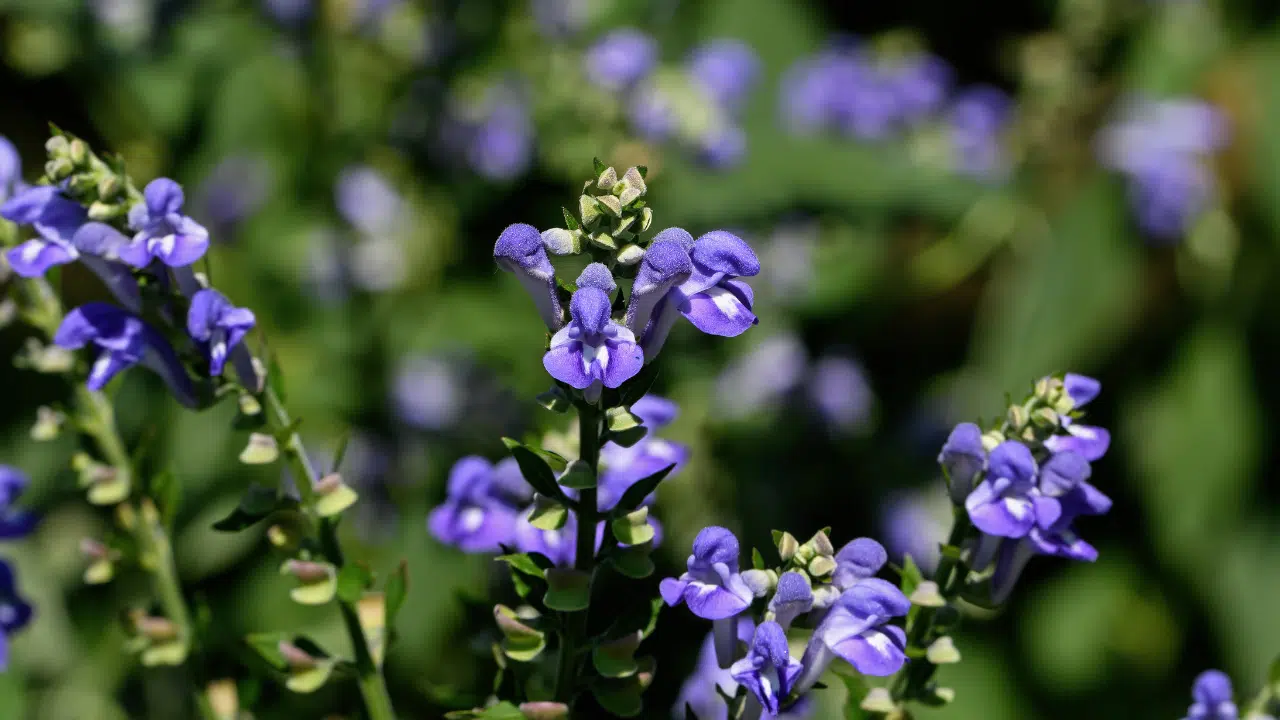
Scutellaria lateriflora (commonly known as skullcap) has long been used herbalistically as a restorative for the nervous system. In homeopathic practice, it emerges strongly in patients whose anxiety manifests through nervous overactivity rather than pure fear or collapse.
These patients often describe:
The anticipatory element is important; but unlike Argentum nitricum, the anxiety is not always impulsive, dramatic, or catastrophic. And unlike Gelsemium, the patient is not necessarily dull, weak, or paralysed.
Instead, Scutellaria often feels electrically overstimulated.
There can be:
Scutellaria is particularly valuable for patients who live in a prolonged anticipatory state.
Examples include:
A keynote is that the anxiety often continues into the evening with:
There is frequently a background of overstimulation, overwork, emotional strain, caffeine excess, screen fatigue, chronic stress, or prolonged sympathetic activation.
Argentum Nitricum is one of the classic anticipatory anxiety remedies, but the quality of the anxiety differs significantly.
Argentum Nitricum
Arg-nit tends toward:
The patient often fears:
There is frequently:
Arg-nit patients often externalise their anxiety dramatically.
Their nervous system feels:
“I must escape this situation.”
The anticipation builds into panic.
Scutellaria is generally quieter and more internally wired.
The patient may appear relatively composed externally while internally:
Rather than panic, there is:
The Scutellaria patient often says:
“My mind just won’t stop.”
Digestive symptoms are less characteristic than in Arg-nit, and the presentation is usually less theatrical or frantic.
Scutellaria also has a stronger affinity with:
Gelsemium represents almost the opposite pole of anticipatory anxiety.
Gelsemium
In Gelsemium, anticipation leads to:
The patient becomes:
Classic features include:
The nervous system says:
“I cannot cope.”
There is inhibition and shutdown.
Scutellaria does not collapse.
Instead, the nervous system remains excessively activated.
The patient may be exhausted; but still unable to stop thinking, planning, anticipating, or internally reacting.
Where Gelsemium is:
Scutellaria is:
Sleep disturbance is often a major differentiator:
Consider Scutellaria when you see:
It may also appear after:
Scutellaria lateriflora is a valuable modern remedy for patients whose nervous systems have become trapped in anticipation.
Not the dramatic panic of Argentum nitricum.
Not the paralysed collapse of Gelsemium.
But the endlessly stimulated mind that cannot disengage.
In a culture that rewards constant alertness and mental overextension, Scutellaria deserves greater recognition; particularly for the patient who appears functional on the surface while internally running on nervous overdrive.
For homeopaths working with stress-related presentations, sleep disturbance, burnout, and anticipatory anxiety, it can become an extremely useful addition to the materia medica picture.
The content shared here is intended for informational purposes only and should not be considered a replacement for professional medical advice, diagnosis, or treatment from a qualified and licensed healthcare provider. The views and opinions expressed in this presentation are those of the presenter and do not necessarily represent those of CHE or any affiliated organizations.

Development Avinir Web LTD.